Do Window Treatments Increase Home Resale Value?
Last Updated: November 21, 2026
Quick Summary
Window treatments do not reliably add a measurable dollar amount to an appraisal, but they strongly shape how buyers feel when they walk in, which influences offers. Treat window treatments as a presentation investment that helps a home show better and sell faster, not as a value-add line item.
- Appraisers fold blinds and shades into overall condition rather than valuing them line by line.
- Plantation shutters give a premium impression but rarely convert to a higher offer in price-sensitive markets.
- Cellular shades suit older homes with single-pane windows by signaling an efficiency upgrade.
- Spend first on the entryway, living room, kitchen, and primary bedroom, the rooms buyers judge first.
- State clearly in the listing and purchase agreement which window treatments convey with the sale.
Table of Contents
- Do Window Treatments Increase Home Resale Value? The Honest Answer
- Appraised Value vs. Perceived Value: Where Window Coverings Actually Count
- Window Blinds, Shades, and Curtains: Which Impress Buyers Most
- Plantation Shutters: Premium Appeal and the Cost Trade-Off
- Cellular Shades for Windows: Energy Efficiency Buyers Notice
- Roller Shades: Clean Lines, Lower Cost, and Modern Style
- A Pre-Sale Decision Framework for Window Treatments
- Get a Pre-Listing Window Treatment Assessment
- Frequently Asked Questions
Do Window Treatments Increase Home Resale Value? The Honest Answer
Homeowners often ask this question, and the honest answer is more nuanced than most listing guides admit. Window treatments do not reliably add a measurable dollar amount to an appraisal. What they do is shape how buyers feel the moment they walk in, and that feeling influences offers. This guide from Carroll Shade separates the two effects so you can spend wisely before listing.
Here is the distinction that matters: appraised value is what a licensed appraiser documents using comparable sales and fixed criteria. Window coverings rarely move that number on their own. Perceived value is the impression a buyer forms in the first minute, and window treatments influence it heavily. Sellers who confuse the two either overspend on custom work expecting a windfall or leave bare windows that make a room feel unfinished.
Below, we break down which treatments earn their keep, which are a waste before a sale, and how to decide without guessing.
Appraised Value vs. Perceived Value: Where Window Coverings Actually Count
Window coverings count toward perceived value far more than appraised value. An appraiser compares your home to similar properties and adjusts for square footage, condition, and upgrades with documented market data. Blinds and shades are typically folded into overall condition rather than valued line by line.
Industry commentary supports the cautious read. Covering Windows’ analysis of whether blinds add value notes that treatments may improve how a home looks, feels, and presents without directly adding thousands to the sale price. Blinds Chalet’s discussion of motorized shade resale effects describes their value as indirect, explicitly contrasting them with a kitchen remodel that returns measurable value.
What that means in practice: treat window treatments as a presentation investment, not a value-add line item. They help a home show better and sell faster in a competitive market. They will not rescue a poorly priced listing.
Window Blinds, Shades, and Curtains: Which Impress Buyers Most
Buyers respond most to treatments that look intentional, fit properly, and let light in. The type matters less than the execution. A well-fitted roller shade beats a sagging custom drape. When sellers weigh which treatment is worth the money before listing, buyer impression, cost, lifespan, and maintenance burden all matter.
Window blinds offer strong light control and a familiar, tidy look. Horizontal blinds read as practical and neutral, which suits most listings. Stock vinyl or aluminum miniblinds can bend, yellow, and collect dust on every slat over time. Buyers notice grimy blinds immediately, so condition matters more than style here.
Shades come in more styles than buyers realize, and the right one signals care. Cellular shades add insulation and a soft, finished edge. Roller shades keep lines clean and modern. Both generally require little maintenance beyond dusting.
Curtains and drapes soften a room and add height when hung high and wide, but they are also the easiest to get wrong. Dated fabric or a bad rod placement can date a whole room.
A common mistake is mixing styles room to room without a plan. Pick one family and repeat it so the home feels cohesive. If you want to browse actual fabrics and finishes before deciding, you can explore our window treatment products in person.
| Treatment | Buyer Impression | Relative Installed Cost | Expected Lifespan | Maintenance | Likely Resale Contribution |
|---|---|---|---|---|---|
| Plantation shutters | Premium, built-in feel | Highest | Long (decades with care) | Low | Strong perceived value in higher price brackets; rarely a line-item appraisal adjustment |
| Cellular shades | Energy-conscious, finished | Moderate | Medium | Low | Modest perceived value; strongest in older homes with single-pane windows |
| Roller shades | Clean, modern | Lowest | Medium | Low | Low cost, high presentation return; neutral impression |
| Curtains and drapes | Soft, styled | Varies (low material, higher upkeep) | Shorter with sun exposure | Higher | Highly dependent on fabric and styling; can hurt if dated |
Watch out: these are relative rankings, not guaranteed returns. A treatment that looks premium in one price bracket can read as over-improvement in another, and no treatment type reliably produces a predictable dollar premium at appraisal. Use the table to compare trade-offs, not to promise a payout.
One more variable competitors rarely mention: climate and sun exposure. In sunny, hot regions, west- and south-facing windows punish fabric and cheap vinyl quickly, which pushes buyers and sellers toward shades and shutters.
Plantation Shutters: Premium Appeal and the Cost Trade-Off
Plantation shutters can give a strong premium impression. Their wide louvers, solid frames, and built-in look read as permanent architecture rather than a window covering, and buyers notice.
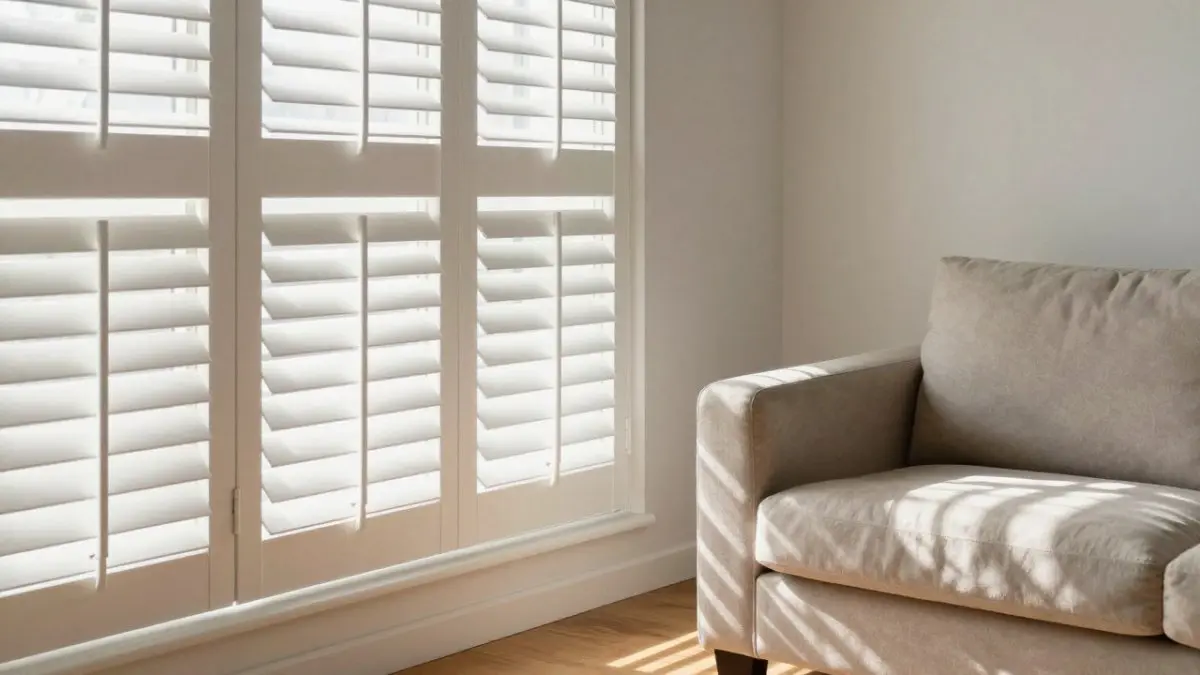
Plantation shutters can be a significant investment, and pricing depends on quantity, dimensions, and installation. For current prices or a quote, visit the Carroll Shade website. For a seller, that math only works when the shutters suit the home’s architecture and the listing price supports the upgrade. In a 1920s home with arched or unusual windows, custom shutters can be the difference between a room that looks finished and one that looks like a problem.
Where shutters fall short: they are a poor choice if you plan to move within a year and the home sits in a price bracket where buyers expect basic coverings. The premium rarely converts to a higher offer in that scenario.
Best for: Sellers in higher price brackets with distinctive architecture.
Skip if: You are listing within a year in a price-sensitive market.
Cellular Shades for Windows: Energy Efficiency Buyers Notice
Cellular shades are the treatment that quietly answers a buyer’s unspoken question: how much will this house cost to heat and cool? The honeycomb cells trap air at the window, which can help with drafts and comfort.
Buyers touring older homes, especially those with single-pane windows, respond well to a visible efficiency upgrade. It signals the seller has thought about comfort and operating costs, not just cosmetics. For sellers, cellular shades are a sensible middle path: more finished than a bare window, far less expensive than shutters, and genuinely functional.
The caveat is that efficiency claims should stay modest. Cellular shades help with drafts and light control; they are not a substitute for window replacement or insulation work. Position them as a comfort improvement, and let the buyer draw their own conclusions.
Roller Shades: Clean Lines, Lower Cost, and Modern Style
Roller shades can be an affordable way to make a home look considered. A simple, well-mounted roller shade disappears into the window and lets the architecture do the talking, which is exactly what staging advice encourages.
For sellers, roller shades solve a specific problem: dated or mismatched coverings that distract buyers. Swapping tired blinds for clean rollers can give a room a fresher look. They also suit rooms where you want maximum natural light, a factor buyers consistently rank highly.
The limitation is character. Roller shades are neutral by design, so they will not add warmth or texture to a room that needs it. Pair them with other elements if the space feels flat.
A Pre-Sale Decision Framework for Window Treatments
Use this framework to decide where to spend before listing and how to handle what stays. It keeps you from over-investing in rooms buyers barely register and from creating a dispute at closing over what conveys.
Step 1: Identify the rooms buyers judge first. Entryway, living room, kitchen, and primary bedroom carry the most weight in showings and photos. Spend there first.
Step 2: Assess condition honestly. Replace anything broken, sagging, stained, or visibly dated in those rooms. Cleaning and repair are almost always cheaper than replacement and often sufficient.
Step 3: Match treatment to architecture. Custom solutions for unusual or arched windows; standard sizes for regular openings. A misfit on an unusual window reads as a problem, not a feature.
Step 4: Set a budget ceiling based on your listing price bracket, not on emotion. Over-improving a modest listing with premium treatments rarely pays back.
Step 5: Choose one style family and repeat it so the home feels cohesive across rooms.
Step 6: Skip low-visibility rooms. Laundry, closets, and utility spaces rarely justify new treatments.
Step 7: Decide what conveys, and put it in writing. This is where sellers get into trouble. Window treatments sit on a spectrum between fixtures and personal property, and the distinction is not automatic.
Watch out: buyers commonly assume window treatments stay unless the listing says otherwise.
Step 8: Handle motorized and smart components deliberately. Motorized shades and smart blinds raise two issues: whether the hardware conveys and whether the buyer expects the app or hub to transfer. Decide both early and note them in the listing. If the components stay, leave the remotes, charging cables, and setup instructions for the buyer.
Step 9: Repair, clean, replace, remove, or leave, in that order. Repair and clean first. Replace only where condition or dated style hurts the showing. Remove treatments that are broken or distracting rather than replacing them.
Step 10: Evaluate the evidence behind any resale claim you read. Sales statistics and marketing claims often blend correlation with causation, and agent opinions vary.
Get a Pre-Listing Window Treatment Assessment
A pre-listing assessment takes the guesswork out of this decision. Our team can review your windows and discuss treatment options for your home and budget. We have served the area since 1932 as a family-owned business and an authorized Hunter Douglas partner.
We provide professional installation and repair services for window treatments. Ready to prepare your windows before listing? book window installation and repair services or get in touch with our team.
The smartest sellers treat window treatments as a presentation tool, not a value multiplier. Get the condition and cohesion right in the rooms buyers judge first, and skip the upgrades nobody will notice. Carroll Shade can help you choose custom treatments, motorized options for hard-to-reach windows, and professional installation so the result looks intentional. Get started with Carroll Shade and give buyers a home that feels finished from the first step inside.
Frequently Asked Questions
Do window treatments increase a home’s resale value?
They can help, but the effect is mostly indirect. New window treatments improve how a home shows, which can support buyer appeal and perceived value. Appraisers rarely assign a specific dollar line for blinds or shades, so don’t expect a direct bump in appraised value. The strongest case is when worn or missing coverings make rooms feel unfinished, and replacing them helps the home present as move-in ready.
Are plantation shutters worth installing before selling a home?
Plantation shutters read as a permanent, built-in upgrade, and buyers often treat them as part of the home’s finish level. They cost more than blinds or roller shades, so the payback depends on your list price and how dated the current coverings look. If the rest of the house is updated, shutters can reinforce that impression. If you are selling a starter home, spend the money on repairs and paint first.
Do cellular shades improve energy efficiency enough to matter to buyers?
Cellular shades trap air in their honeycomb pockets, which helps slow heat loss in winter and heat gain in summer. Buyers touring a home in January or July notice rooms that feel comfortable, and energy-efficient windows and coverings are a recognizable selling point. The savings vary by window condition, climate, and how the shades are fitted, so treat efficiency as a presentation and comfort benefit rather than a guaranteed return.
Should you leave window treatments when selling a house?
In most cases, yes. Window coverings that are installed and fit the windows usually stay with the house, and leaving them helps rooms show finished rather than bare. If a treatment is damaged, yellowed, or clearly dated, remove it or replace it before listing. Check your sale contract and listing disclosures to confirm what conveys, since motorized blinds and custom hardware can raise questions about what is included.

